Regional symposium led by national HSI expert Deborah A. Santiago examines how colleges sustain student success as the federal funding landscape changes
As the federal funding landscape for Hispanic- Serving Institutions changes, four Central Coast community colleges came together Friday to address a pressing question: How do colleges sustain decades of progress in serving Latino, first-generation and historically underserved students when the funding that helped build that work is no longer guaranteed?
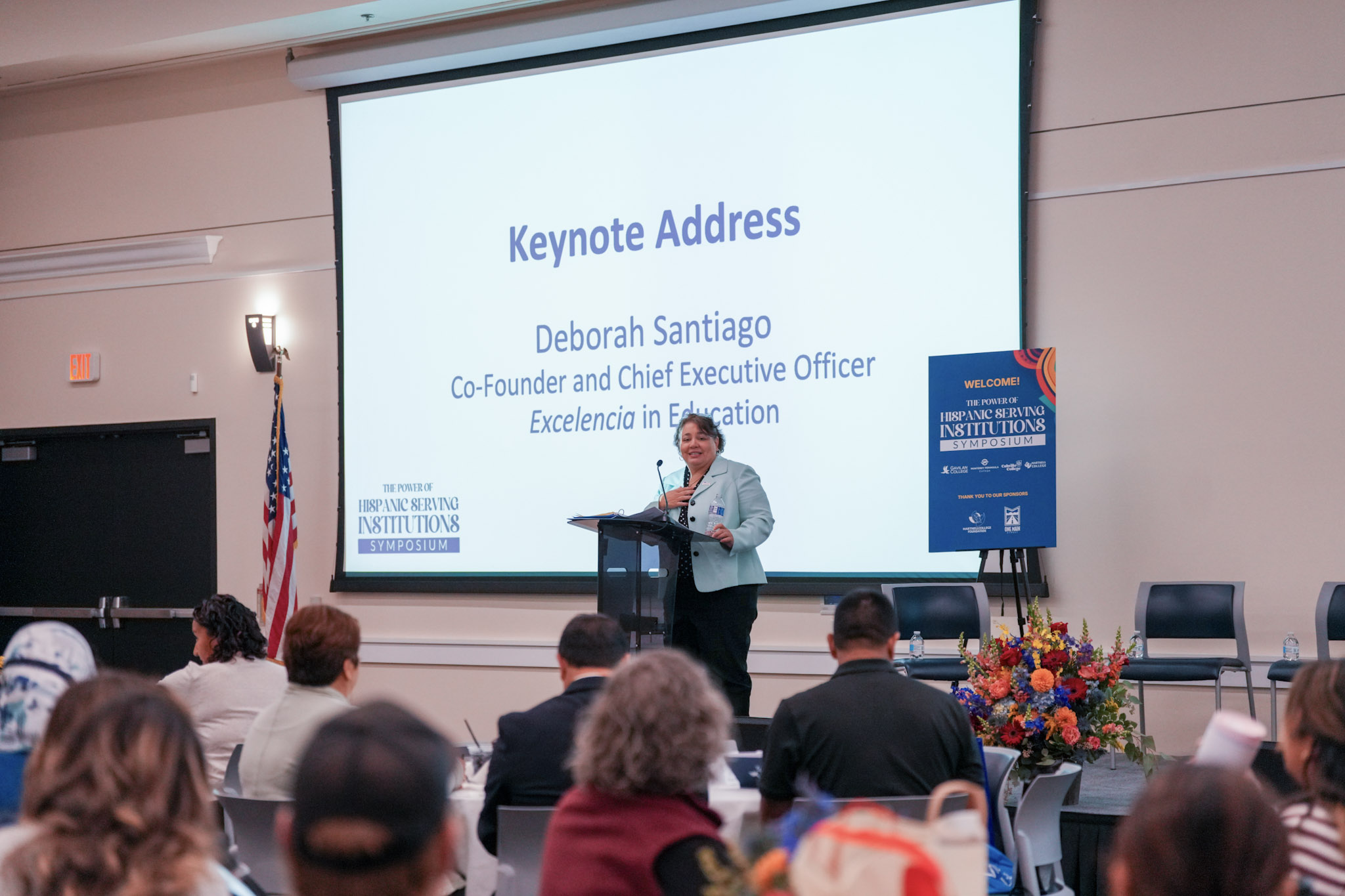
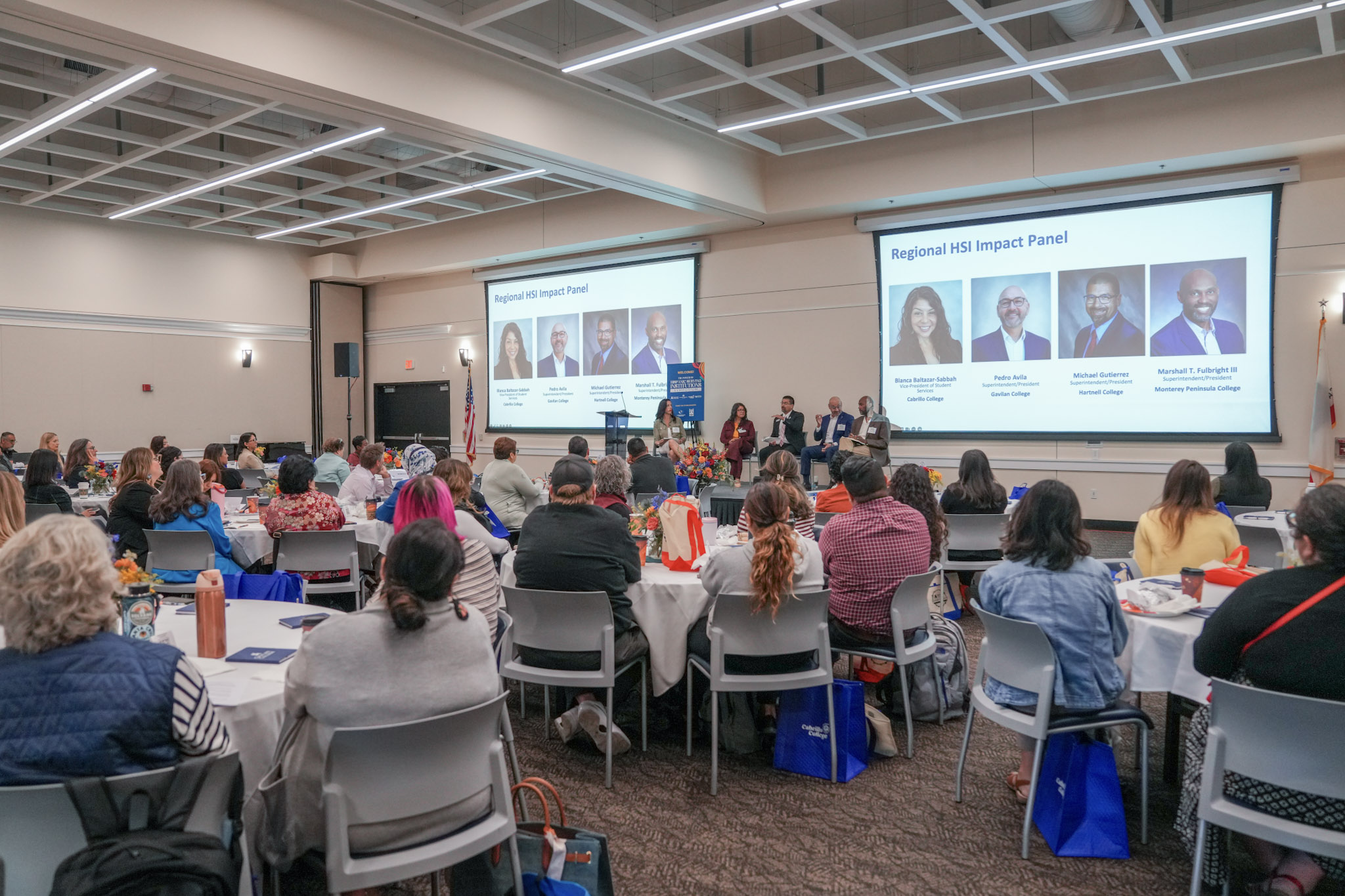
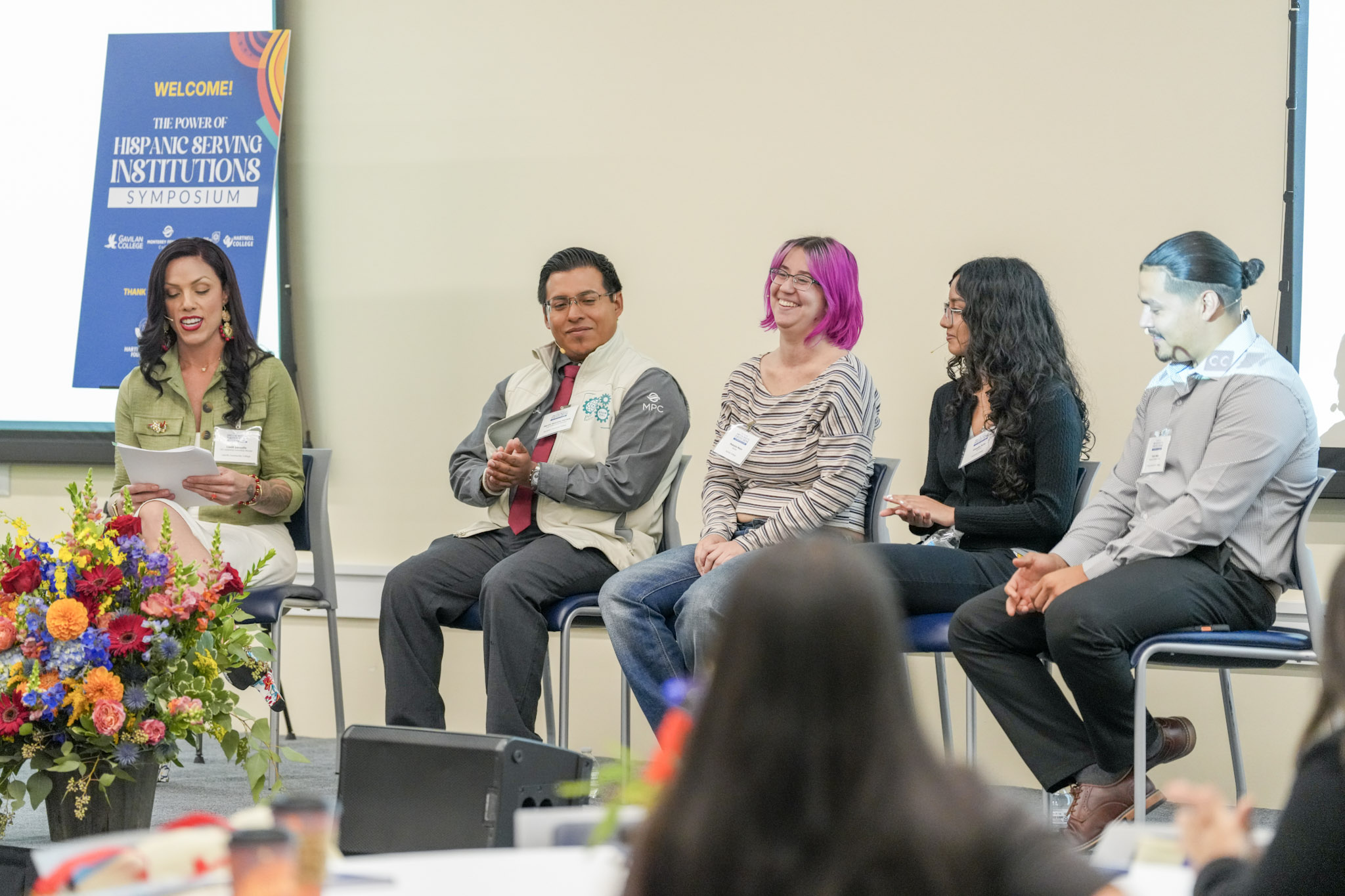
Hartnell College, Gavilan College, Monterey Peninsula College and Cabrillo College convened The Power of HSI Symposium in Salinas, bringing together educators, students and community leaders from Monterey, San Benito and Santa Cruz counties to examine the impact of HSI investments and, more importantly, what comes next.
The discussion was led by keynote speaker Deborah A. Santiago, co-founder and chief executive officer of Excelencia in Education, who has spent more than 20 years advancing Latino student success and has been involved in the national HSI conversation since its early years. Rather than focusing solely on preserving what has existed, Santiago challenged institutions to use this moment to help define the future of Hispanic-serving work.
More than 30 years after Hispanic-Serving Institutions first received federal funding, Santiago asked what the framework should look like if it were created today. What should institutions be expected to accomplish? What should funding support? How should impact be measured? And what does it truly mean for a college to serve its students rather than simply enroll them? Her message centered on intentionality, accountability and measurable student success — and on ensuring that the lessons learned through decades of HSI investment are not lost as funding structures change.
HSI Is More Than a Funding Source
For the four participating colleges, the symposium provided an opportunity to examine how HSI investments have already changed their institutions.
Funding and institutional identity are not the same. Funding can be taken away from us as institutions, but it’s not our identity.
Michael Gutierrez, Hartnell College Superintendent/President
Gutierrez pointed to Hartnell's dual enrollment program, initially developed with Title V support. The program has grown from approximately 650 students four years ago to about 2,200 last year, with additional growth expected.
The example reflects one of the central themes of the symposium: Federal grants may provide the resources to build programs, but successful programs can ultimately change how an entire institution serves students.
At Cabrillo College, Dr. Blanca Baltazar-Sabbah, vice president of student services, described a shift from thinking about HSI primarily as an enrollment designation to focusing on “servingness.” Cabrillo previously brought employees together around a simple question: What does the “S” in HSI really mean? That conversation helped shape efforts to strengthen transfer pathways, dual enrollment, counseling and advising and the first-year experience, with an intentional focus on Latino, first-generation and historically underserved students. The result, Baltazar-Sabbah said, has been broader institutional change. When colleges identify and remove barriers for students who have historically faced them, those improvements can benefit all students.
Sustaining What Works
The symposium also confronted one of the most difficult issues facing colleges: how to sustain successful programs when grant funding changes or ends. Gavilan College Superintendent/President Dr. Pedro Avila discussed the importance of planning for sustainability from the beginning of a grant rather than waiting until its final year. Gavilan has used long-range budget projections and gradually transitioned portions of grant-supported salaries into its general fund. The college has also looked to reserves, categorical funding, other grants and new partnerships to continue work initially supported through HSI funding.
The approach reflects a larger shift in the conversation: The question is not simply how to replace a grant, but which programs and practices have demonstrated enough value that institutions are committed to finding another way to sustain them.
Monterey Peninsula College Superintendent/President Dr. Marshall T. Fulbright III emphasized the importance of building successful initiatives into an institution’s long- term operating budget rather than relying on limited-time grant funding. “These are not one-time issues,” Fulbright said. “They’re not one-time communities.” Sustaining critical efforts requires institutions to plan strategically, prioritize resources and make intentional investments into programs and services that have demonstrated meaningful impact. This reinforced Santiago's message that institutional budgets ultimately demonstrate institutional priorities.
Defining What Comes Next
Throughout the symposium, leaders emphasized that colleges cannot sustain this work alone. Foundations, employers, community organizations and regional partners can all play a role in supporting programs connected to education, workforce development and economic mobility. Bringing the four colleges together also created an opportunity to share what has worked, identify common challenges and begin thinking regionally about the future. The symposium's message was ultimately forward-looking.
HSI investments have helped Central Coast colleges build programs, strengthen student support and rethink institutional practices. As the federal funding environment changes, the challenge is ensuring that those lessons become part of how colleges operate rather than disappearing with a grant.
For Santiago, the current moment presents an opportunity for institutions to help shape what Hispanic-serving education should mean for the next generation. Funding structures may change, but the students and communities these colleges serve remain. The work continues.