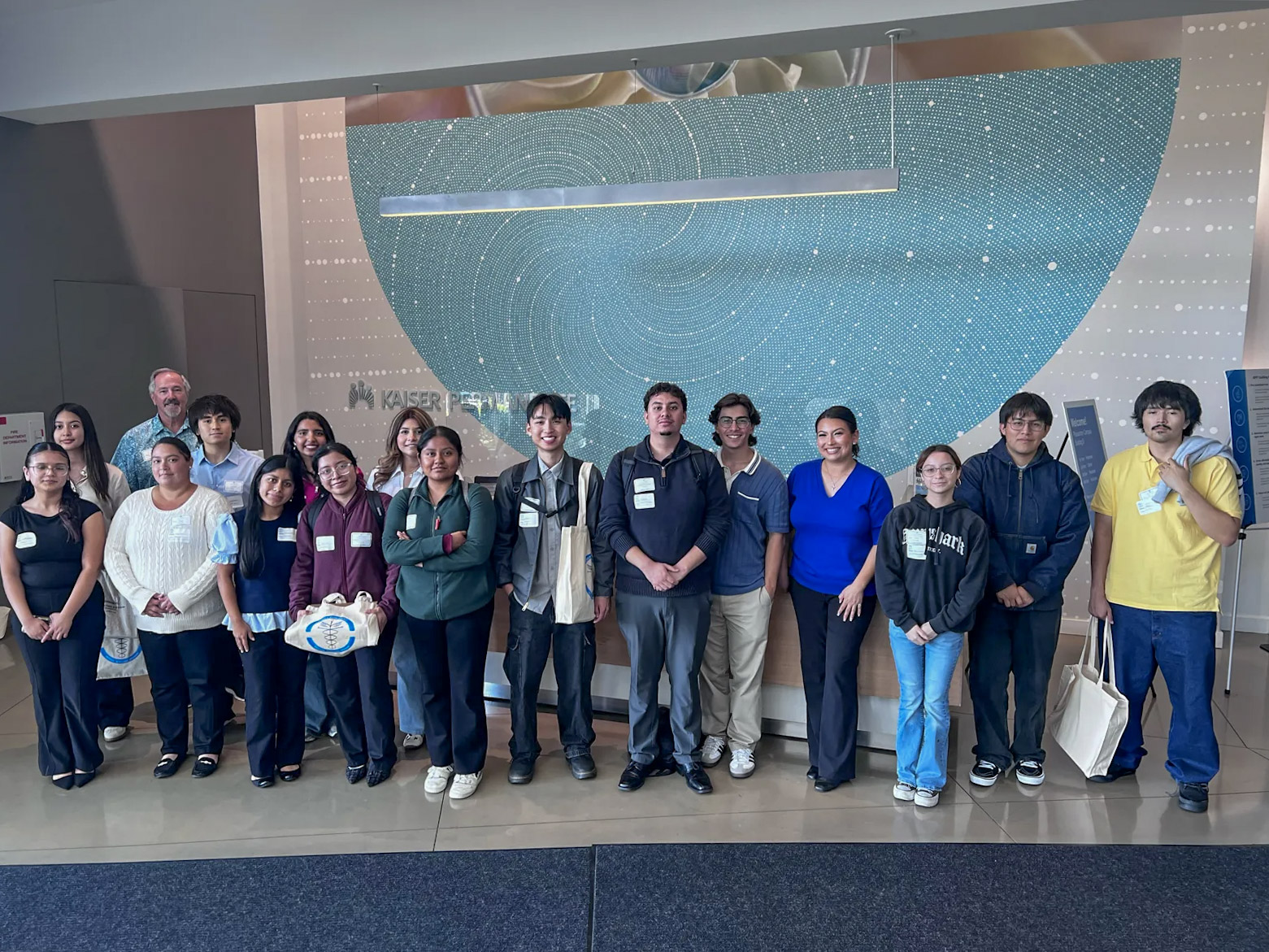
Twenty Hartnell students are part of the 2026-27 Kaiser Medical Scholars Pathway, including a record number of returning students.
For a student who dreams of becoming a doctor, there is a big difference between learning about medicine in a classroom and actually walking and talking with physicians and medical students who once stood where they are standing.
On Sept. 26, 20 Hartnell College students traveled to Pleasanton to begin the 2026-27 Hartnell Kaiser Medical Scholars Pathway journey with Kaiser Permanente.
Ten entered the program for the first time. Ten returned for a second year.
That second number is especially meaningful to Joel Thompson, director of the Science and Math Institute. In recent years, only three students continued into the second year. This year, Hartnell has a record 10 returning students.
These students have worked incredibly hard to get here, and what I love about this program is that it gives them the chance to see themselves in medicine. They get to walk into these spaces, meet physicians and medical students, ask questions and begin to understand that this is a path they can pursue. I am especially proud that we have 10 students continuing into the second year. They came into this program, embraced the opportunity and wanted more. That says a lot about them and about what this experience can mean to a student.
Joel Thompson, Director of the Science and Math Institute
A First Look at Medicine
The new first-year class includes Marco Avila, Esteban Berrelleza, Joshua Betts, Evelyn Bravo, Jacob Custodio, Samantha Gonzales, Kayla Medina, Arthur Moreno, Sofia Pina Galindo and Sofia Suarez.
Their first day is appropriately called “Building Blocks for Success" and they will get right to work.
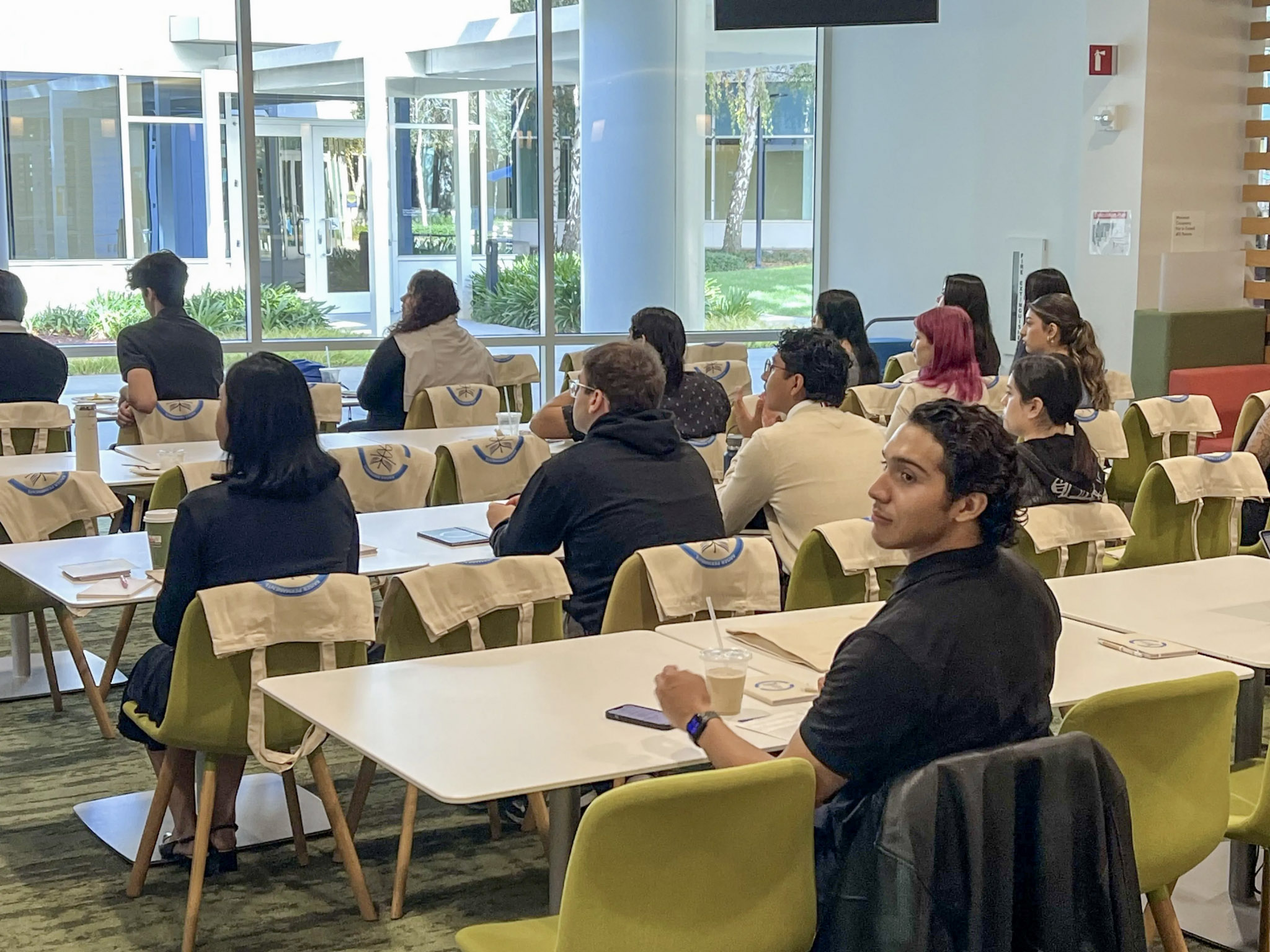
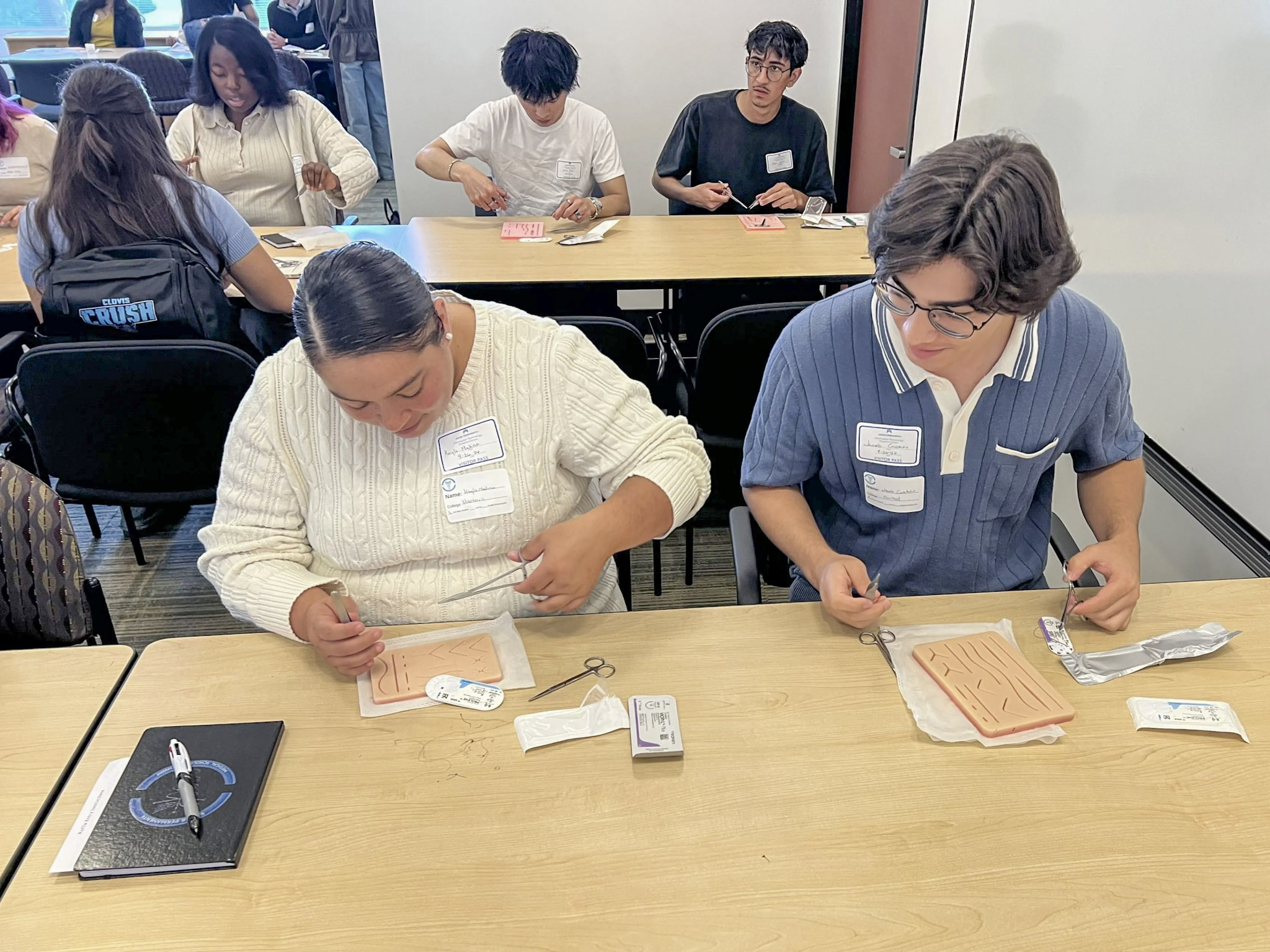
Students will learn how to suture, spend time in a medical simulation lab and sit down with residents and medical students for a conversation about why they chose medicine. They will also work on networking and communication skills and finish the day talking about resilience and adapting to life's challenges.
The sessions are led by people who know the journey firsthand, including Dr. Ruben Gonzalez, core faculty with the Kaiser Permanente Napa-Solano Family Medicine Residency Program, and Michelle Loaiza, regional senior manager for Kaiser Permanente Northern California Undergraduate and Graduate Medical Education.
For students early in their college careers, those conversations can be just as valuable as the hands-on experiences. They can ask what medical school is really like. They can hear about the challenges. They can meet people doing the work they hope to do someday. Most importantly, they can picture themselves doing it, too.
Ten Students Come Back for More
The returning class includes Gisselle Avila, Jennifer De Jesus, Maria Espinoza, Angelita Martinez Montesino, Ximena Medrano Villagomez, Kimberly Mendoza Rivera, Carlosemilio Moreno, Emily Palomares, Elizabeth Ruiz Gonzalez and Lizbeth Sandoval.
Their second year goes deeper. The students will participate in the Leadership and Community Health Forum, or LeCHe, where the focus moves into public health, research and the needs of the communities they may someday serve.
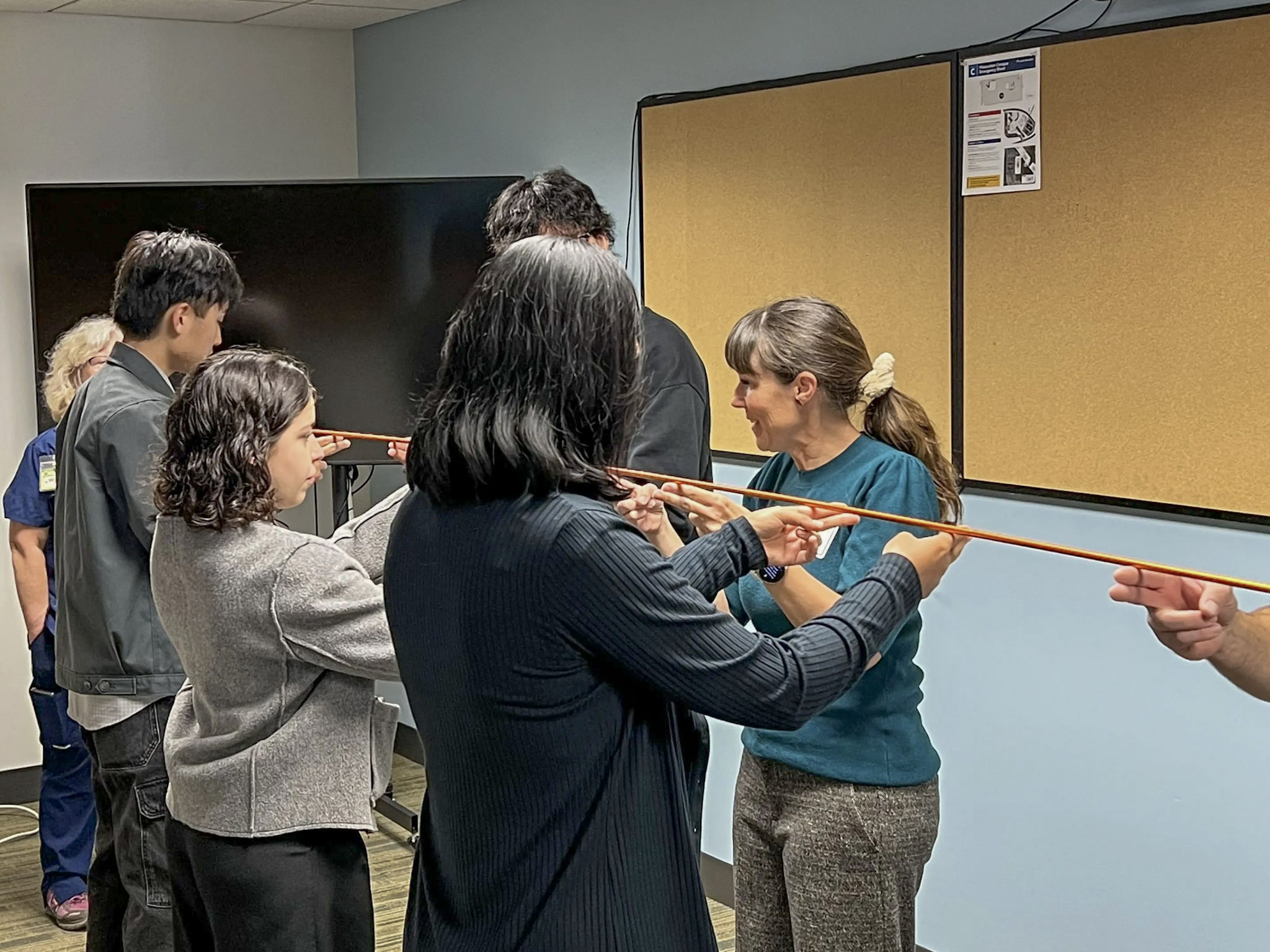
The Sept. 26 program includes an overview of public health and community service projects, a health needs assessment, team building, a literature search workshop and planning for a video ethnography project.
It is a different side of medicine. Students begin to look beyond an individual patient and ask bigger questions: What affects the health of a community? Where are the gaps? How do physicians and researchers understand what people need? And how can health professionals help?
Those are important questions anywhere. They carry particular meaning for students coming from communities such as the Salinas Valley. The second-year program will be led in part by Gonzalez and Katherine Dang, lead senior research project manager in Graduate Medical Education.
Seeing What Is Possible
The Hartnell Kaiser Medical Scholars Pathway is ultimately about exposure — but it is also about confidence.
Students interested in medicine know the road ahead is long. There are science courses to complete, universities to transfer to, medical school applications to navigate and years of education and training ahead. A program like this doesn't shorten that road. It helps students see where it can lead.
Twenty Hartnell students will arrive at Kaiser Permanente in Pleasanton on Sept. 26 at different points in that journey. Some will hold a suture kit for the first time. Others will begin examining public health and community needs through the eyes of future health professionals.
They will return to Hartnell still students, still studying and still with plenty of work ahead of them.
But perhaps with something they didn't have before: a clearer picture of themselves in a white coat, caring for patients and serving their own communities. For Thompson, helping Hartnell students see that possibility is exactly the point. “These students have the talent,” he said. “Sometimes what they need is the opportunity to see where that talent can take them.”