About the Project Management Office
The IT Project Management Information Services team provides leadership for planning, developing, implementing, evaluating, and managing campus-wide and cross-divisional information technology initiatives.
The team supports the College with technology process improvement and technology effectiveness capacity, which includes: IT process improvement, IT project management, change management, strategic planning support, program analysis and evaluation, and technology plan development support. The team also oversees and provides oversight and consultative services related to IT software and technology contracts. PMO performs assessments, consulting, and facilitation services for new and existing IT contracts related to licensing compliance, utilization, infrastructure/enterprise compatibility, as well as identifying and leveraging efficiencies.
To effectively manage projects within our portfolio, IT PMO will strive to:
Project Planning
The IT Project Facilitators are embedded in the project, review and monitor project health; create project oversight reports; escalate project risks and issues; and assist project staff in developing appropriate risk and issue mitigation strategies. Throughout the various project phases, the IT Project Facilitator conducts the following:
Project Health
Evaluates the strength and health of the project throughout its duration by attending project meetings; reviews project plans, documents, reports and processes; and collaborates with the Subject Matter Expert and the IT team.
Risks & Mitigation Strategies
Identifies and reviews project issues and risks and provides feedback on mitigation strategies. Escalates, tracks, and monitors project risks and issues.
Project Status vs Planned Assumptions
Compares actual project status to the planning assumptions approved through the Project Approval documents.
Formal reports to Cabinet
Issues a written report to Hartnell's Cabinet, which is an objective third party assessment of the project’s health and progress.
Ongoing reports to stakeholders
Provides written reports at each project committee meeting to ensure all oversight parties and executive stakeholders are informed of project status and progress.
Project Approval and Planning
Reviews and provides feedback on project approval requests and project planning documents.
Project Oversight
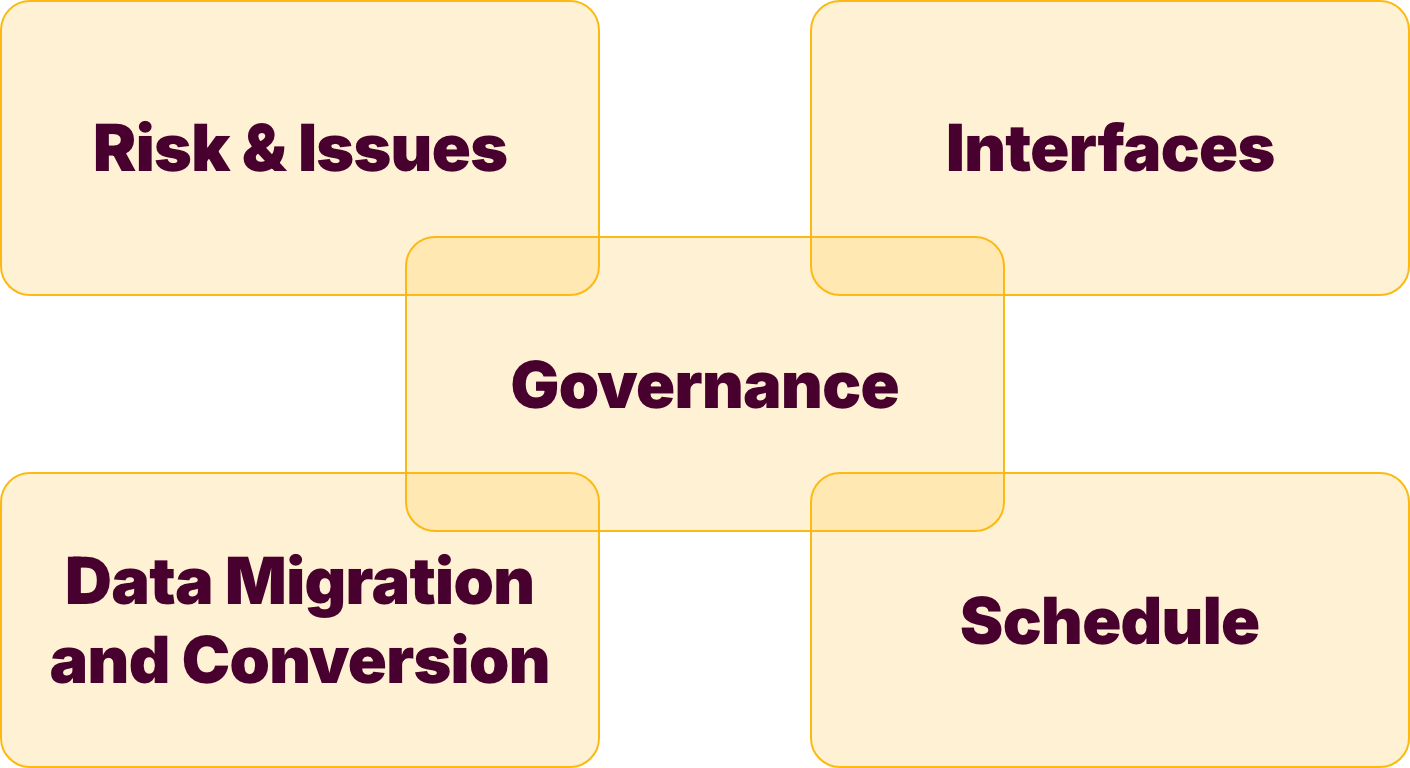
Project Facilitators provide feedback to departments to help plan and monitor projects and to bring projects to successful deployment. The Project Management Office focuses on ensuring that the scope, schedule, and costs associated with each project are adequately defined, planned, and monitored. During the course of the project oversight, IT Project Facilitators focus on the top five issues that often derail state projects.
-
Governance: How is the project structured? Are decisions made timely at the appropriate level of authority? This includes not just the plan for action, but the action itself. Execution of governance can ensure issues are addressed timely and escalated to the appropriate authorities to reduce risk to the project portfolio.
-
Risk and Issues: What are some of the risks and issues affecting the project’s success? Are they properly identified? Who is allowed to raise risks and issues? How is it done? Are risk mitigation and issue resolution strategies identified, appropriate to the issue, deployed, and managed?
-
Interfaces: Will the (new/enhanced) system interface with another? Who owns the system? Does this require data sharing with other agencies/entities?
-
Data Migration and Conversion: This is often the driving force behind an IT Project; is there a requirement to migrate and convert vast quantities of data? Has all the data been properly identified? Is data cleanup required? Will conversion occur prior to migration? Parameters are critical here, as are time frames.
-
Schedule: A baselined and fully resource-loaded schedule is necessary for thorough project planning. Is the schedule being maintained to show actual completion dates, and thus start dates for dependent activities? Does the schedule properly identify all predecessors and successors?
Frequently Asked Questions
The first step in understanding your project needs is to complete a New Project Request, Technology Consulting Request, or Enterprise Software Review.
If you would like to schedule a discovery meeting to dig deeper into your needs, please complete a Technology Consulting Request. We'd love to meet with you!
Services are available during normal business hours. Once engaged, your Project Facilitator will adjust to your project and business work hours depending on resource allocations.
To view our comprehensive project portfolio and active projects, please visit our Project Management Office dashboard.