Hartnell College’s aspirational goal is to transition most courses to shortened academic terms by Fall 2028. This change supports the college’s One Hartnell initiatives to improve student onboarding, retention, completion and post-graduation success. It also aligns with the California Community Colleges’ Vision 2030, which supports the state’s goal of having 70% of working-age Californians (ages 25–64) earn a postsecondary degree or certificate.
At Hartnell College, a shortened academic session is a course offered in eight or less weeks instead of the traditional 16-week term. The course covers the same material, carries the same number of units and maintains the same learning outcomes, but students complete the coursework in half the time. For example, a course that would normally meet over 16 weeks is completed in eight weeks or less.
We’ve put together this internal guide to help answer common questions and address any concerns.
Our Why
Data from peer institutions and research from Achieving the Dream show that shortened academic terms improve student success and completion rates, particularly for the populations community colleges serve.
Hartnell’s own completion data clearly makes the case for shortened academic terms. Part-time students currently complete at just 6 percent within three years and 8 percent within six years. These numbers reflect how difficult it is for part-time students to sustain momentum under a traditional, full-length term structure.
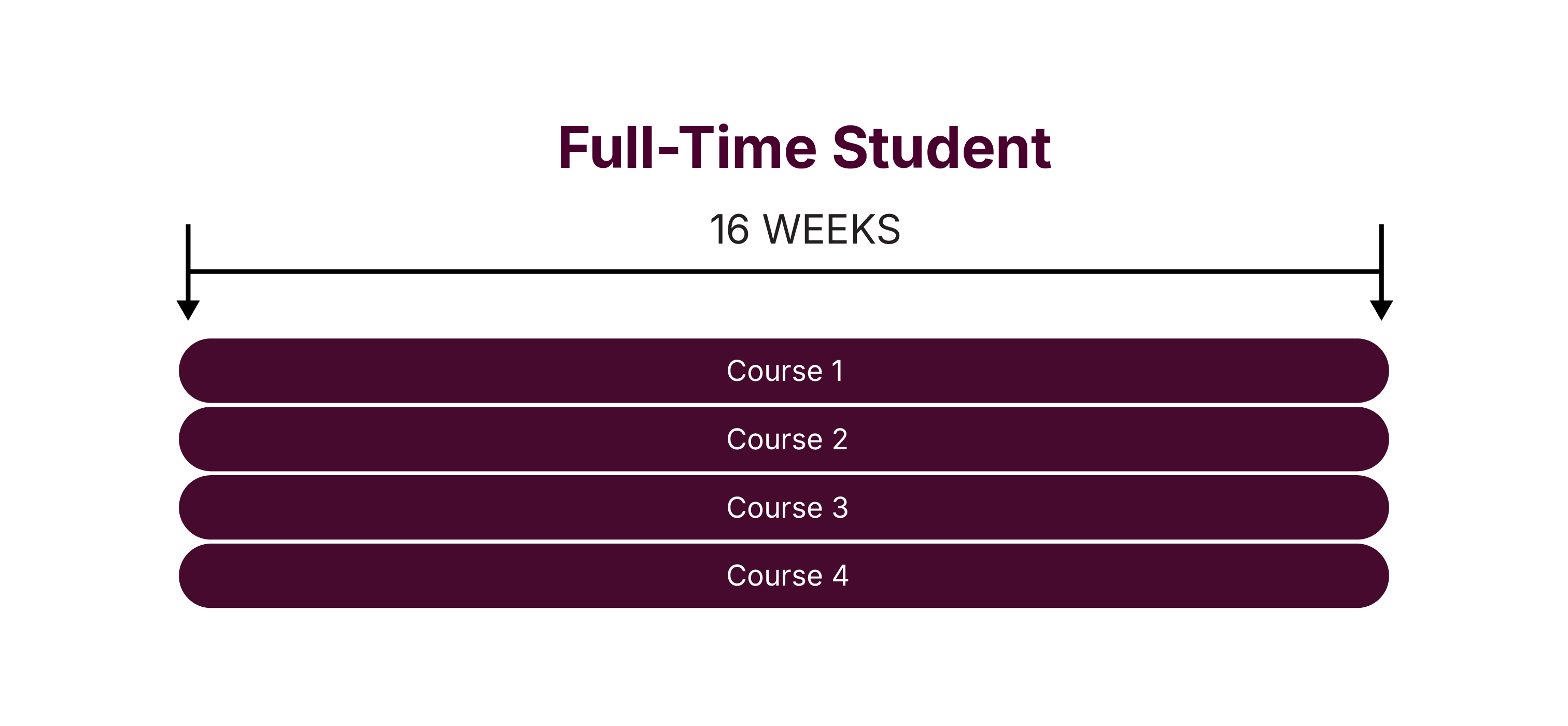
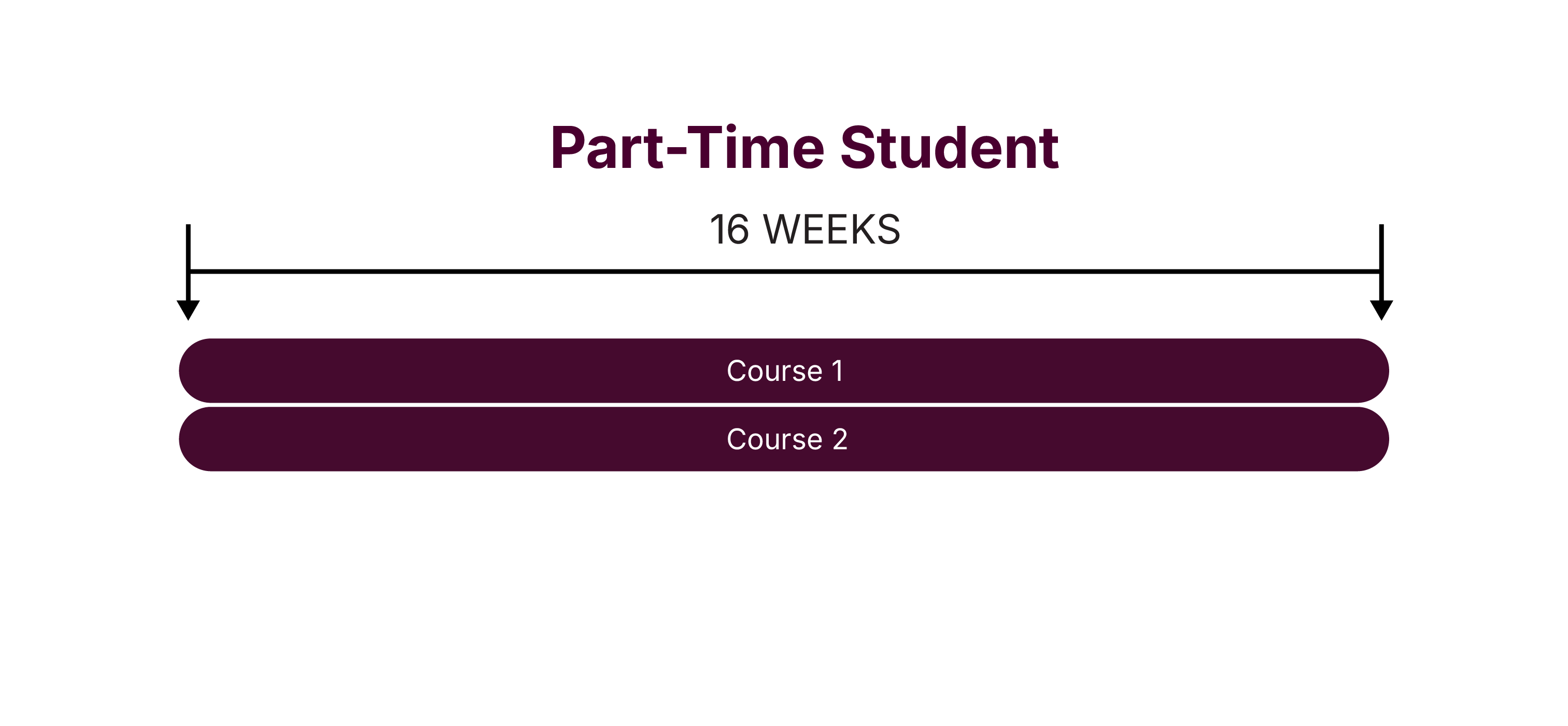
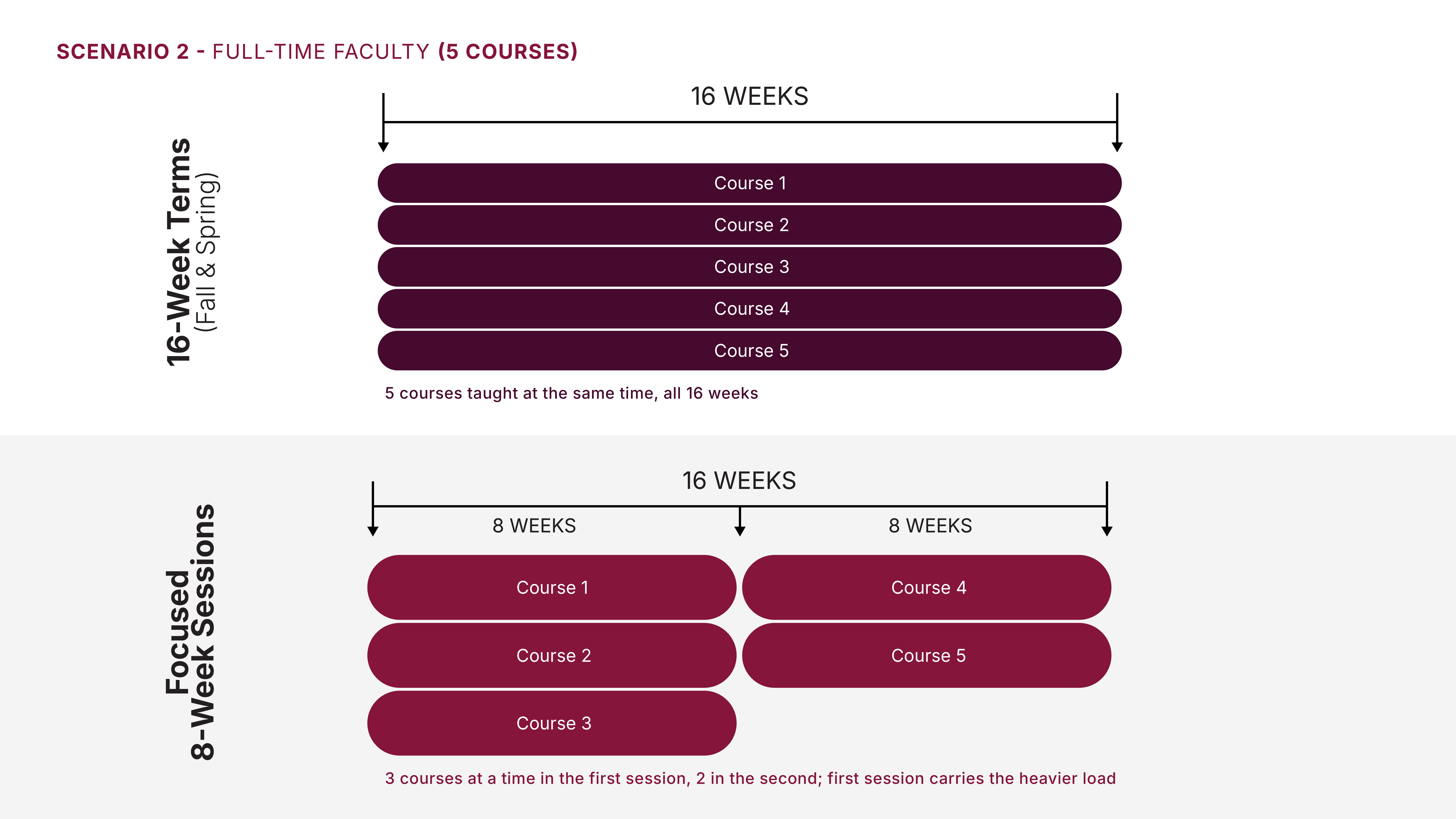
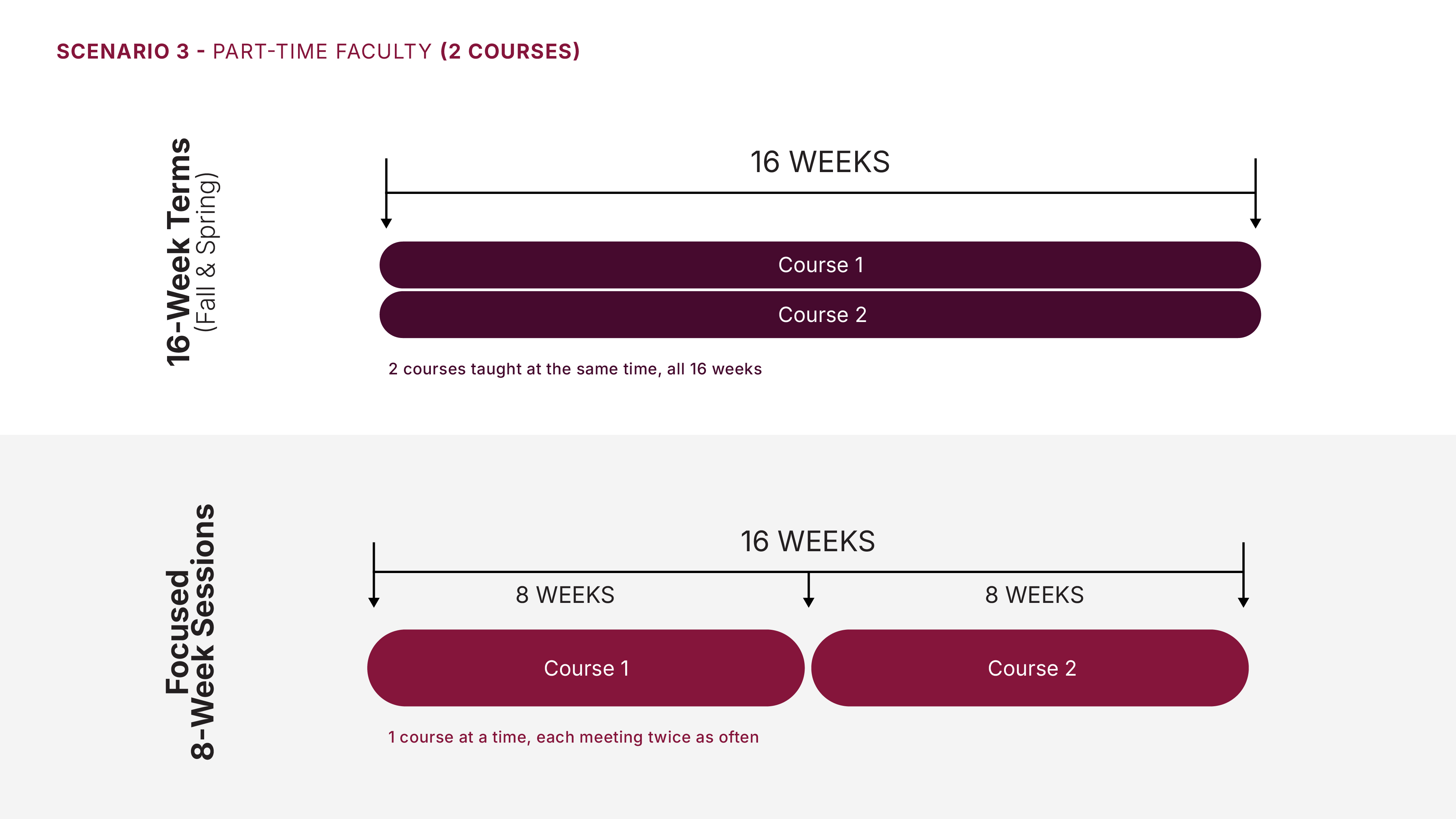
Rather than juggling four or five courses across a full-length term, full-time students in shortened terms can focus on just two courses at a time. This structure better fits working adults and parents balancing jobs, caregiving, and coursework. Part-time students can take one course at a time, with added flexibility to take more. For example, a student enrolled in six units would take one three-unit course in each eight-week session instead of carrying two courses across sixteen weeks.
Our own data: Summer courses perform as well as or better than courses in 16-week terms. When we compared spring 2026 to summer 2026 (8 weeks), all but one STEM discipline had higher success rates in summer.
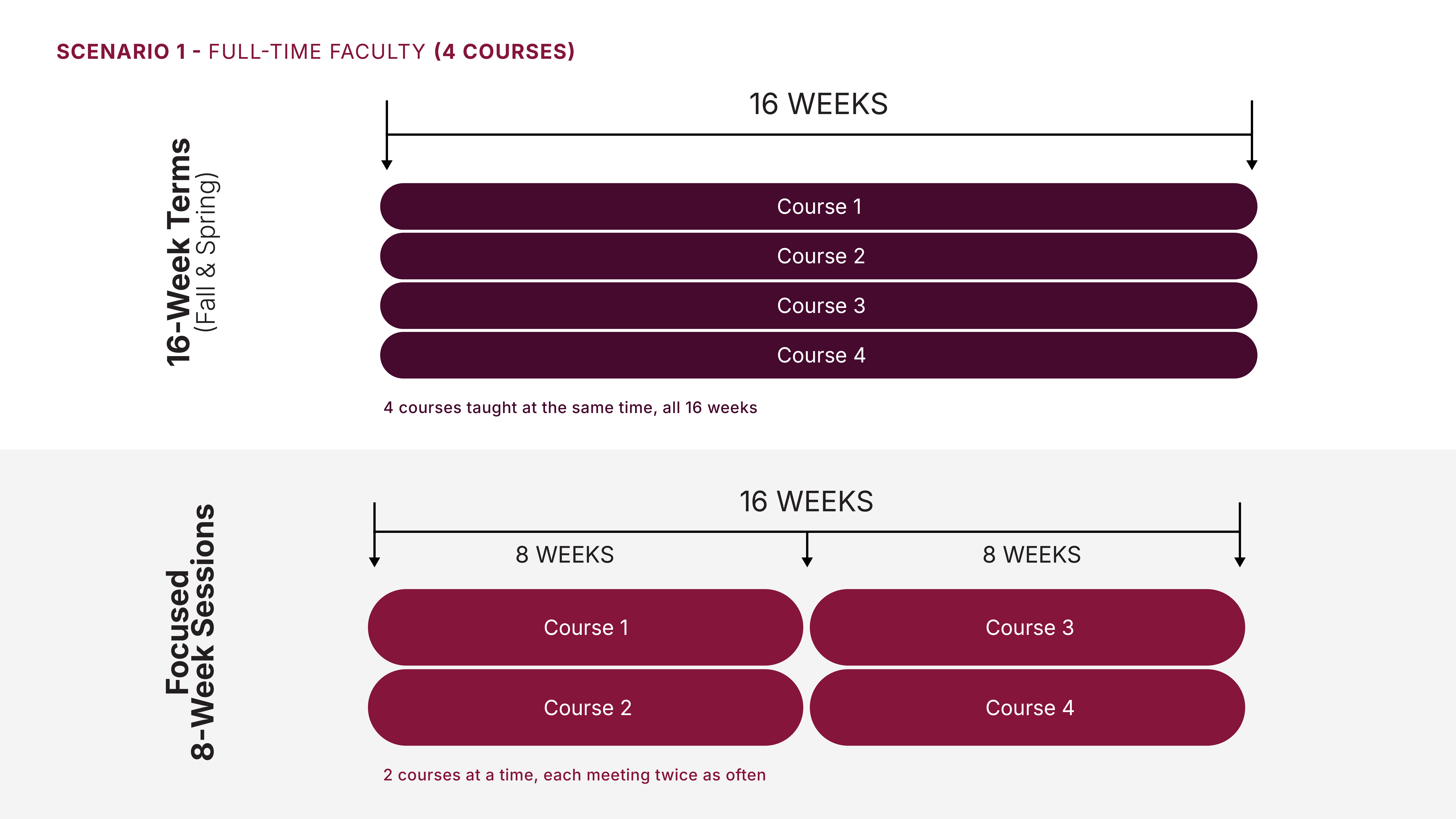
No. The total primary term structure for Fall and Spring will remain the same. This complies with California Education Code mandates on minimum instructional weeks. Instead of stretching a class across a full 16 weeks, each term will be split into two back-to-back accelerated sessions with a one-week break in between.
Traditional 16-Week Term
Focused 8-Week Sessions
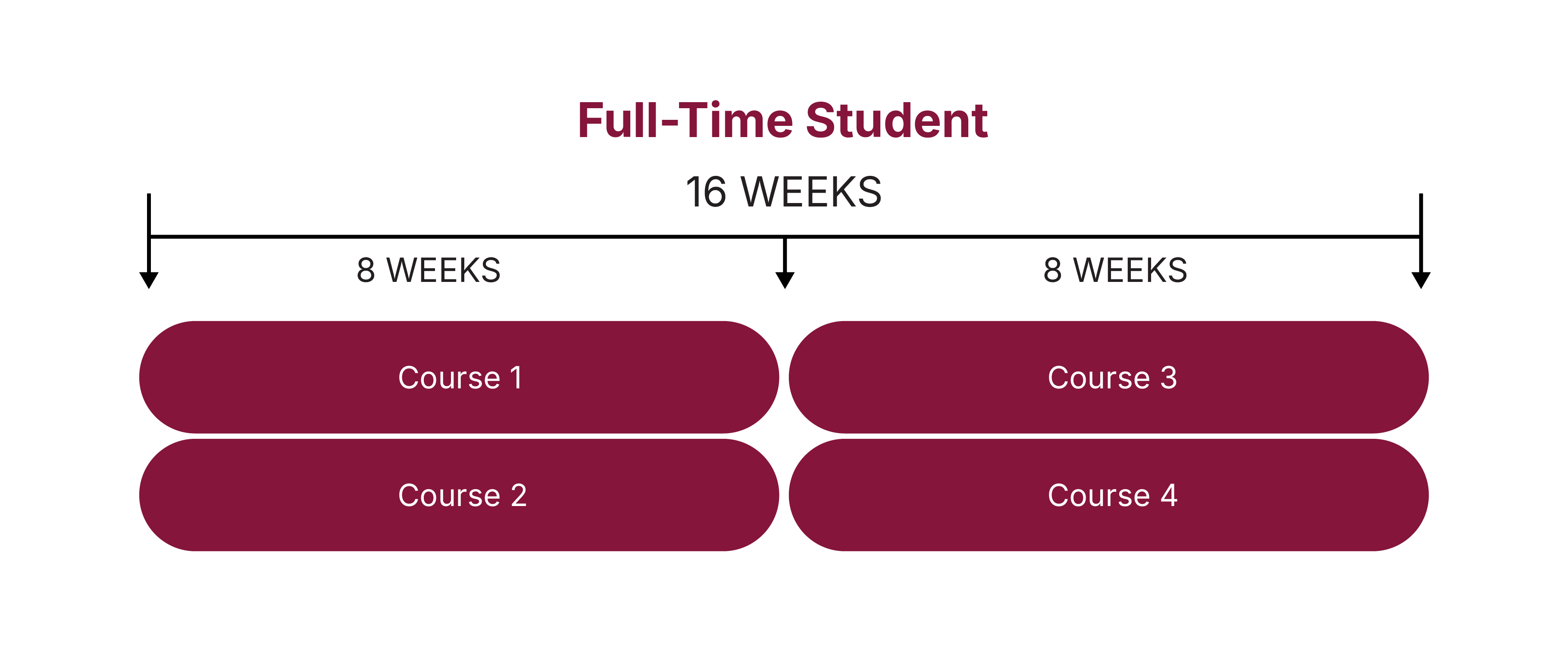
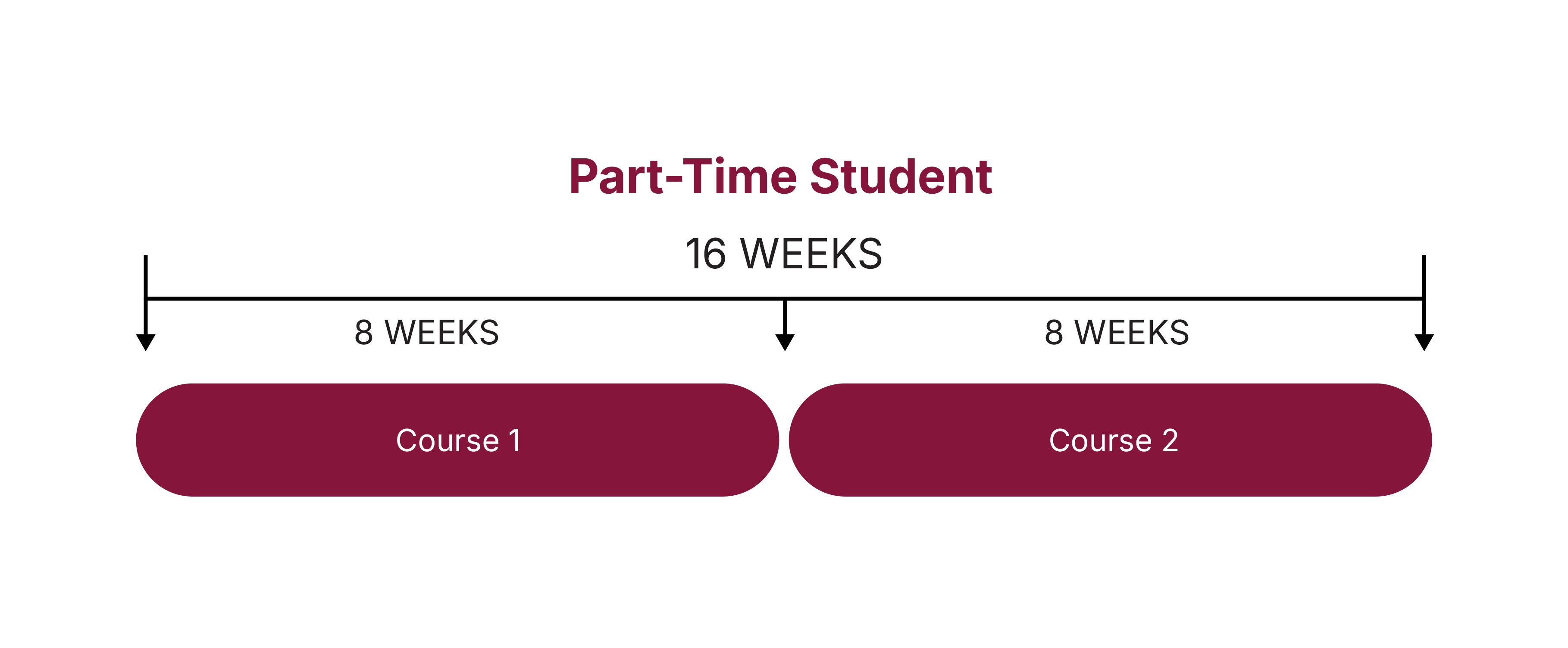
Most colleges have gone to 8-week sessions. The institutional workgroups will actively model both seven-week and eight-week blocks. The final calendar configuration will determine how final exam weeks, flex days, breaks between sessions, and intersessions such as winter or summer fit into the yearly schedule.
Student Impact & Logistics
Yes. Students can register for an entire academic year in one enrollment period, so they can plan their schedule and stay on track across terms. Because there will be four start and registration windows each year, students who did not register for the full year can still join at the start of any term. However, we will continue to determine if yearlong registration will work for students in shortened terms.
Whether students are starting, returning, or adding courses, these entry points let them onboard more often rather than waiting for the next term. Students are encouraged to meet with a counselor to map out their courses.
In our current model, enrollment status is based on the units a student is registered for at census. Under shortened academic terms, Admissions and Financial Aid are working on how student status will be identified when a student’s entry point is in Session 2. We will share updates as they become available.
Students already receive two disbursements in our current model. In a 16-week term, financial aid is disbursed in two payments: 50% in the 1st week of the term and the remaining 50% in the 4th week. The second payment depends on the student’s enrollment status at census. If a student’s enrollment changes between week 1 and week 4, the second disbursement may be adjusted and may not be the same amount.
Current Financial Aid Disbursement Schedule
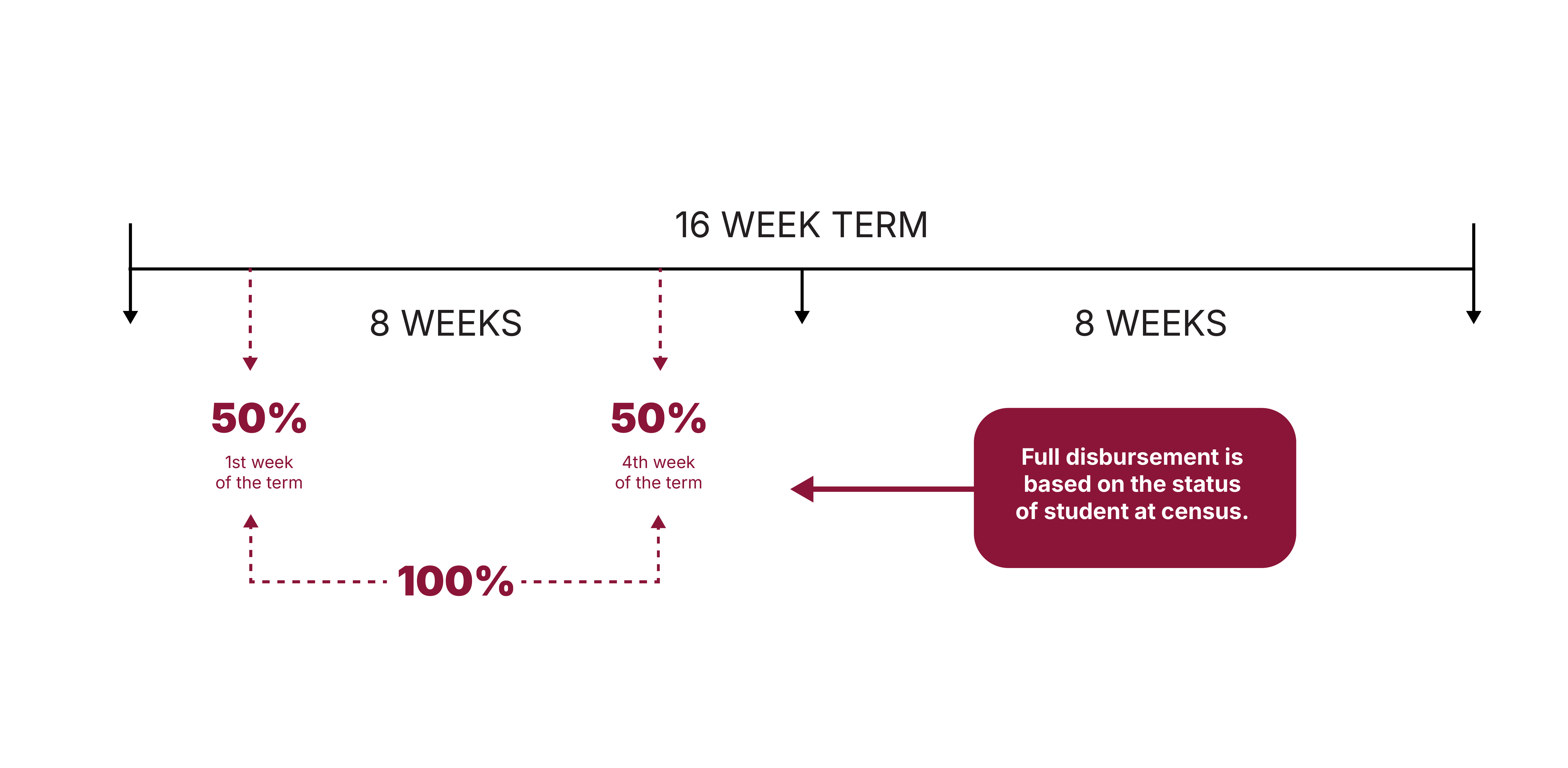
With shortened academic terms, students will continue to complete one financial aid application per academic year, and the Financial Aid Office will align award and disbursement dates with the four sessions each year. Students who register for the full year will have aid planned around their year-long schedule, and students who join at a later start date will have aid based on the sessions in which they enroll.
Because aid amounts depend on enrollment, the Financial Aid Office is researching and developing example models and establishing disbursement timelines to ensure an effective process is in place before Fall 2028. The Financial Aid director is working with other colleges who use Colleague and are on SATs to learn from their processes and timelines.
Students Can Boost Their Financial Aid by Stacking Shortened Terms!
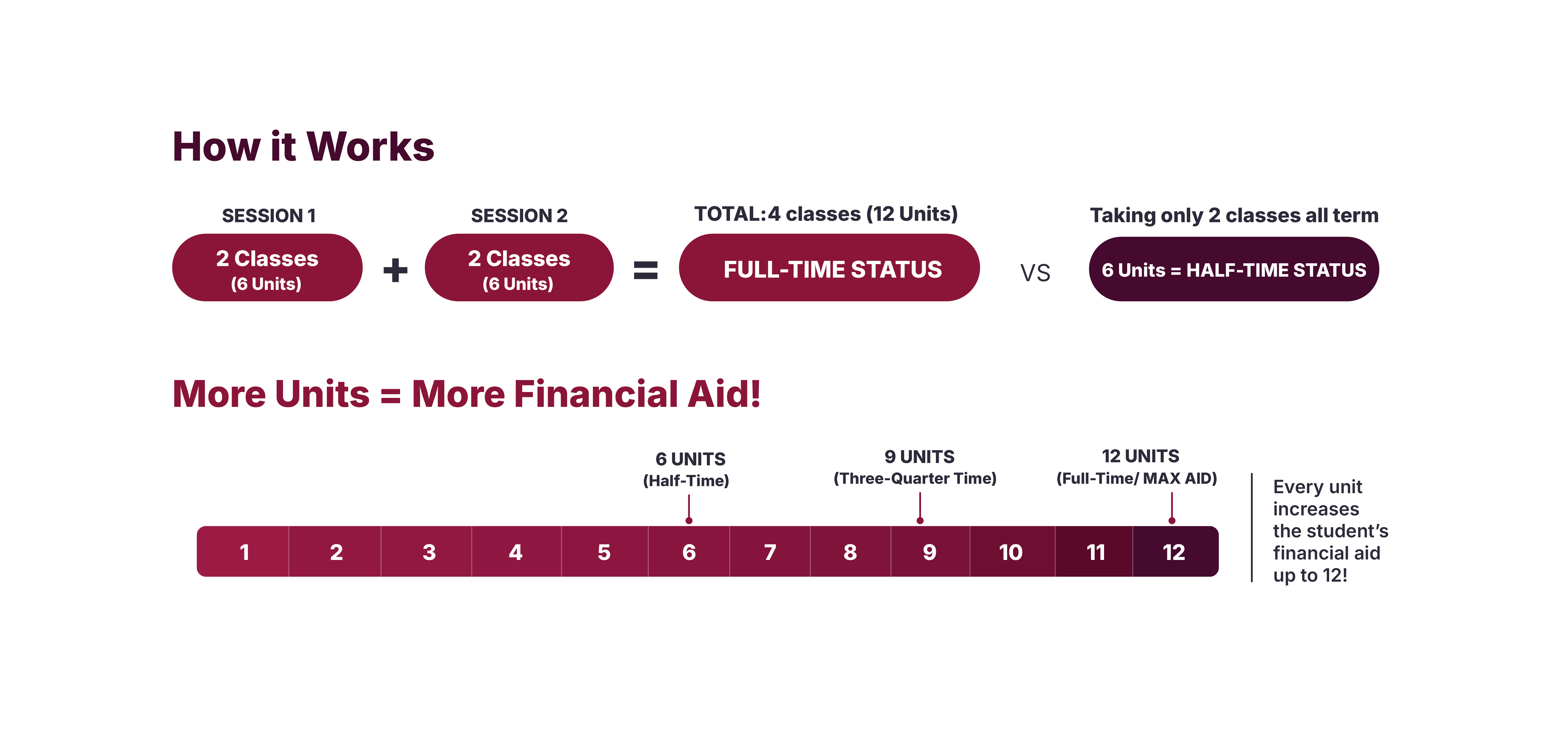
Students will still maintain full-time status by taking twelve or more units a term. The primary difference is how those units are distributed, for instance taking six units in the first eight-week session and six units in the second. Financial aid disbursements will be adjusted to align with these dual start terms. Part-time students will also see an increase in aid with more courses added.
It depends on when the student registers and how enrollment status is determined across sessions, and that process is still being developed. Admissions and Financial Aid are building example models for these situations, including students who add courses after the start of the term.
With four enrollment and registration windows each year instead of two, our student services teams will shift to a more frequent rhythm of support. That means more chances for students to start, return, or stay on track, and we’ll be adjusting how we work to meet them at each of those moments. Staffing, financial aid disbursement dates, counseling availability, and other support departments and program availability will be planned around these windows so students get timely, personal help when they need it.
Our teams have experience adapting to changes in the academic calendar, including shifts in peak service periods and the pace of student support. We have made these adjustments before and are well prepared to navigate this next change.
Faculty & Instruction
No. State regulations require that total student instructor contact hours remain uniform regardless of the calendar configuration. To achieve this, classes will meet for longer periods per session or offer modified, high-engagement hybrid and online delivery modes. In our current model, we already offer eight-week sessions in several disciplines, e.g., late start and summer.
In summer 2026, 5,242 students were served in 319 sections of eight-week courses. 90% of summer enrolled students were continuing Hartnell students.
2-3 Sample Faculty Weekly Schedule
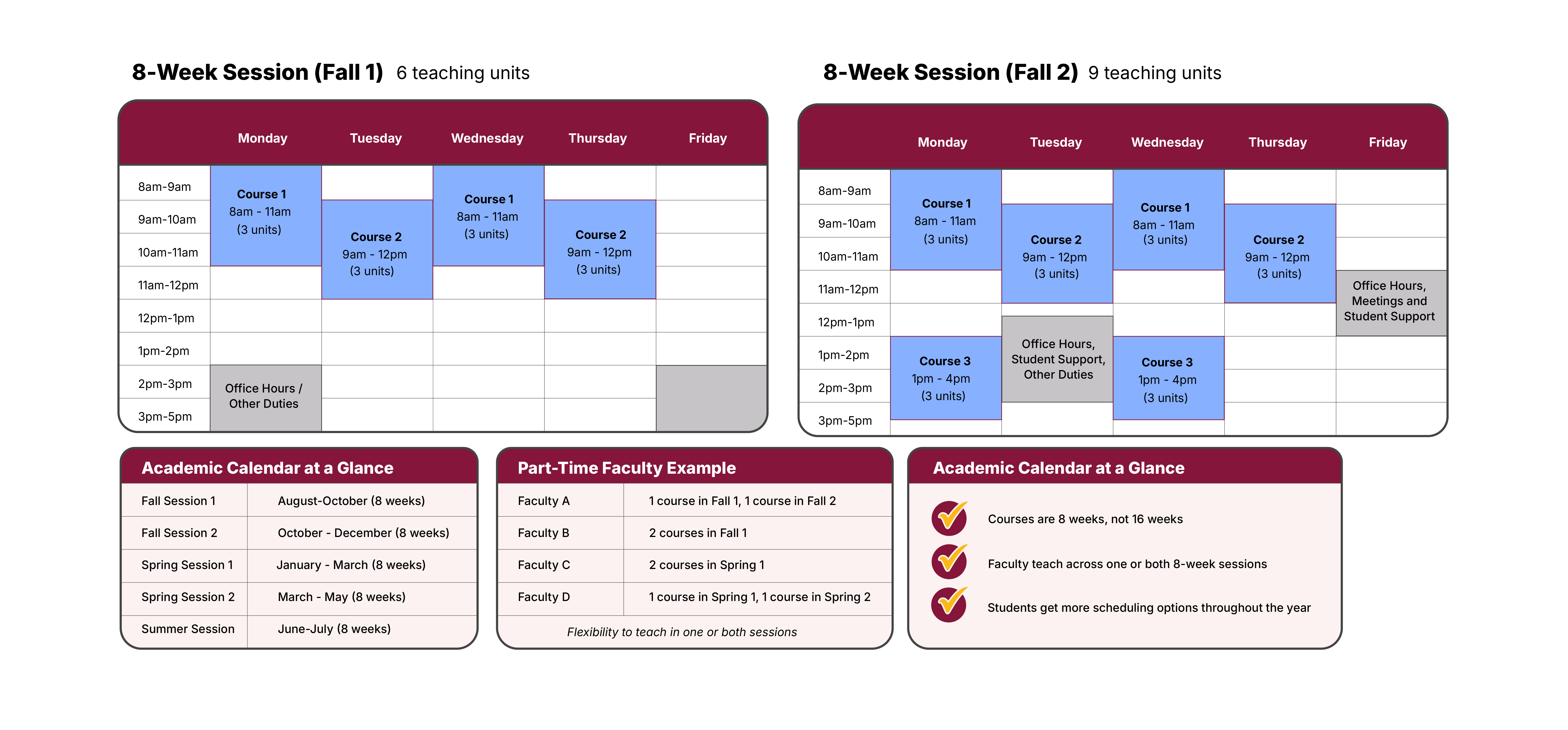
While courses will move at a faster pace, the overall number of exams does not increase. For example, a student currently taking five classes may have five exams scheduled during Week 8 and again during Week 16. Under an eight-week schedule, those exams would be distributed across Weeks 4, and 8 (each session is 8 weeks), reducing the number of exams that overlap. The same applies to faculty. Although grading turnaround times will be shorter, faculty will have fewer exams to grade within each session.
The student learning outcomes and academic rigor will not change. Pedagogy, however, must adapt. Faculty will need to re-pace syllabi to account for a faster weekly rhythm. This is very similar to the eight-week schedule offered during the summer.
This is a key area of discussion for the Academic Senate, curriculum committee, SAT workgroups, and student affairs. While many colleges convert the vast majority of courses to the shortened format, some institutions allow exemptions for specific courses. A rubric or criteria will be used to determine what courses remain in the 16-week format.
Students may enroll in up to 9 units per eight-week session, which is typically three courses. Taking more than 9 units in a session requires a petition. The Student Success Council is addressing the need for an Excess Unit Petition and process to address this concern.
Full-Time Faculty Scenarios
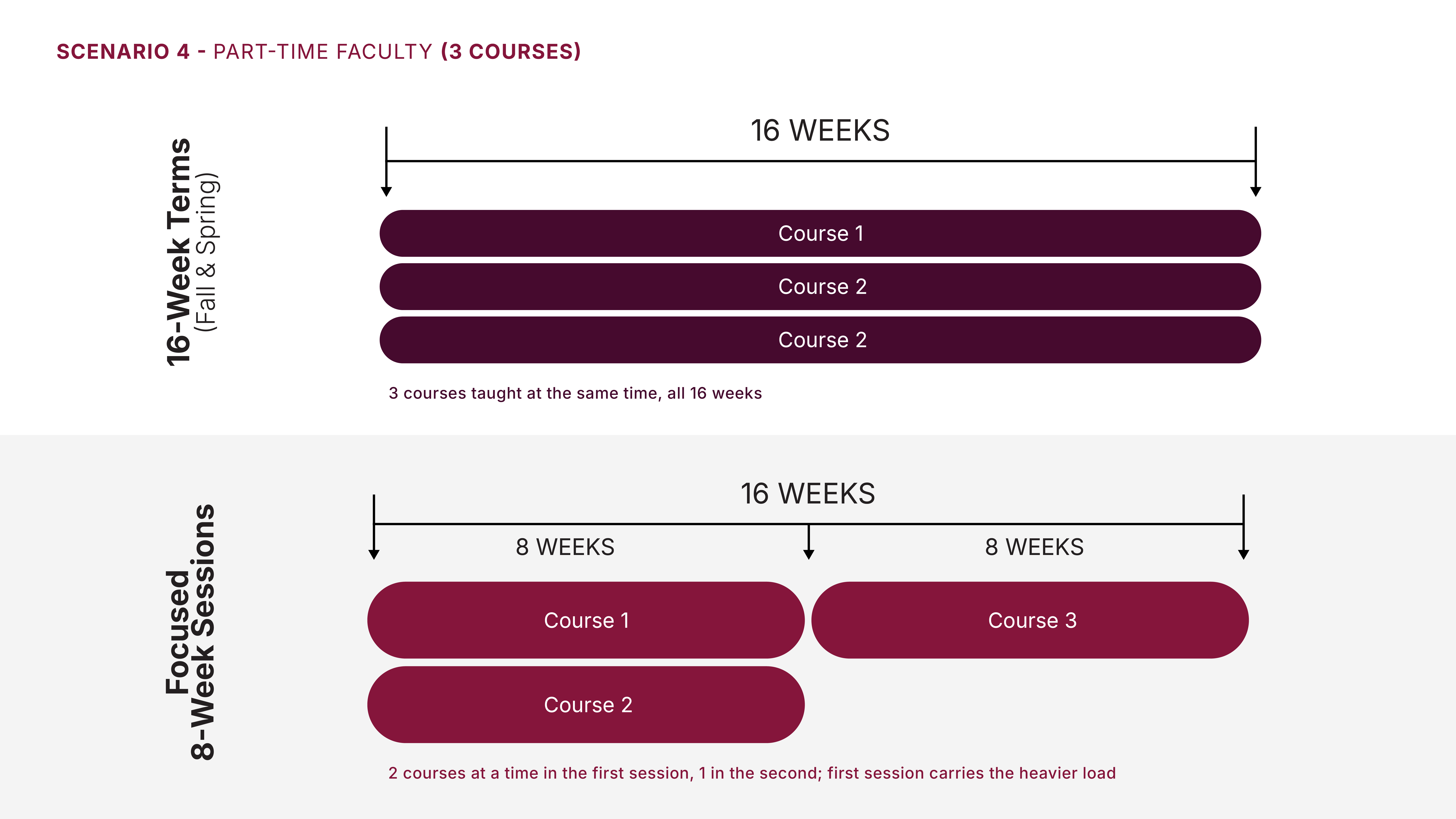
Part-Time Faculty Scenarios
Yes. Faculty and staff will have access to professional development focused on teaching and supporting students in shortened terms. Topics will include course redesign, pacing, assessment strategies, and student support.
Yes. Both Colleague and Canvas can support shortened academic sessions within a traditional term.
| Capability | Colleague | Canvas |
|---|---|---|
|
Multiple sessions within one term |
Yes |
Yes |
|
Different course start and end dates |
Yes |
Yes |
|
4-, 6-, 8-, and 16-week courses |
Yes |
Yes |
|
Overlapping sessions |
Yes |
Yes |
|
Student enrollment |
Registration by section |
Enrollment synchronization |
|
Session-specific access |
Section dates and registration rules |
Course and section participation dates |
|
Grades |
Academic records and grading |
Assignments and gradebook |
Next Steps & Campus Feedback
We are committed to making this a collaborative transition and ensuring that everyone has access to the information and support they need along the way. As we continue planning for shortened academic terms, we encourage you to stay engaged, ask questions and share your feedback. Your input will help guide our work and identify areas where additional information or clarification may be needed.
If you have questions or feedback, please email onehartnell@hartnell.edu.
Additional Resources
- Elizabethtown CTC 8-Week Advantage
- Ivy Tech: How 8-Week Terms Work
- Minneapolis College 8-Week Courses
- Laredo College 8-Week Courses
- Alvin College 8-Week FAQ
- College of the Mainland 8-Week Advantage
- EdSource: Shorter term, bigger gain?
- University Business: How can an 8-week term improve success rates?
- CCRC Community College FAQs
- Belk Center: Isothermal brief
- Achieving the Dream: Odessa College spotlight
- Wor-Wic Community College
- Achieving the Dream: Guide Book